
Gen Z is the most documented and discussed audience in modern marketing. Yet, we’ve never understood them less.
By Shibani Mitra
If you were a fly on the wall in a marketing team meeting in any part of the world, chances are you’d hear this: “We need to get Gen Z.”
The problem is every brand is trying to talk to this generation in what they think is the language of Gen Z. It’s like trying to speak French after completing a week-long streak on Duolingo – you may sound like you’re speaking the language, but it makes no sense to a Parisian.
The truth is we’ve never known a generation as intimately as we know Gen Z. We track their slang, mimic their humour, decode their aesthetics – they’re the most loud, visible, documented and discussed cohort in modern marketing.
Yet, we’ve never understood an audience less.
TONE DEAF-ICIT
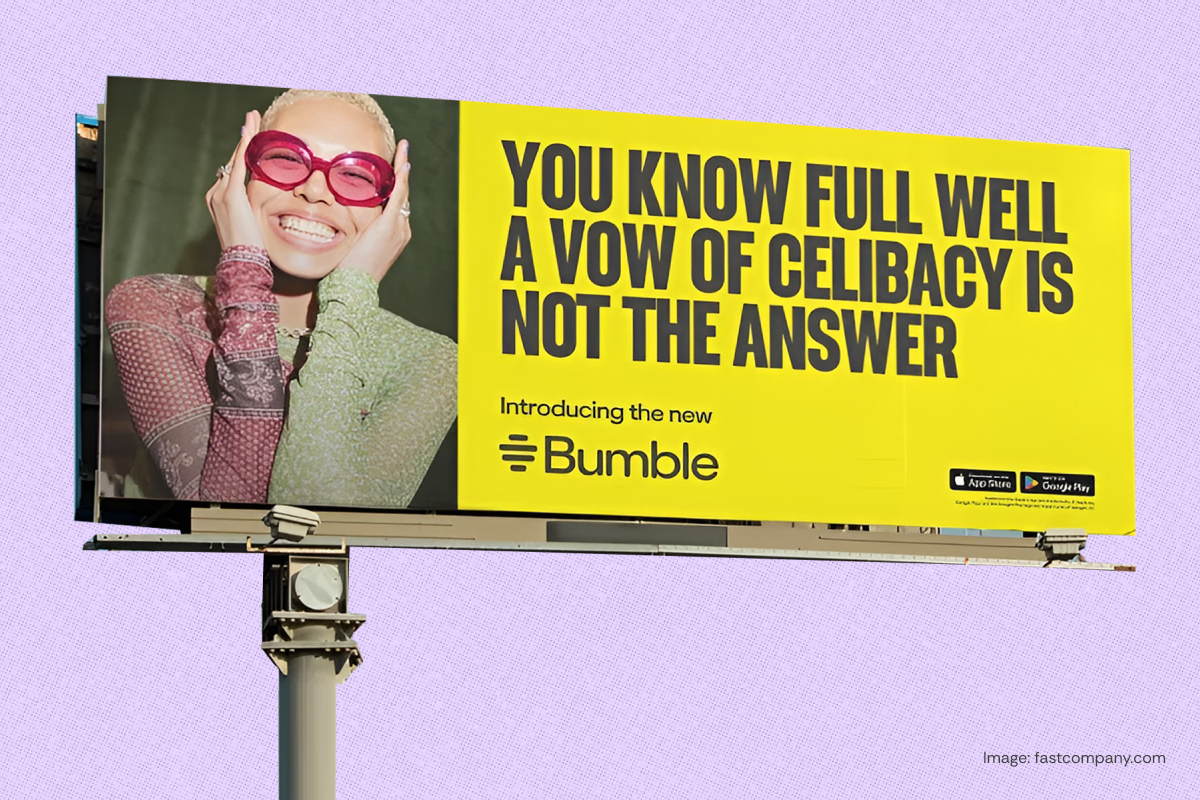
Take Bumble’s 2024 “anti-celibacy” billboard: the brand read frustration with modern dating as a sign that young people were “giving up” and responded with a cheeky provocation: ‘You know full well a vow of celibacy is not the answer.’ But it fundamentally misunderstood that Gen Z views opting out of dating as an act of autonomy, and not a vow of abstinence. In trying to sound culturally relevant, Bumble betrayed its own positioning of giving women more agency in love and relationships.
For Gen Z, even a product’s use case must align with their values – a brand can’t simply slap on woke messaging and call it a day.
For example, In India, the promise of Glow & Lovely sits completely out of sync with the reality that Gen Z and millennials prefer “brightening and hydration functionalities instead of fairness.” The brand’s latest influencer-academy campaign checks every box of modern marketing – empowerment positioning that talks about upskilling young women for India’s creator economy. But the product’s core still rests on a fairness legacy that its consumers have already rejected and no amount of woke-washed messaging will trick them.
TO MEME OR NOT TO MEME?
Zomato and Swiggy have built entire social media personas on meme-based posts that drive engagement overnight. Even Nykaa’s Ganji Chudail ad grabbed attention and was briefly memorable for its absurdity.
Yes, many brands chasing Gen Z with memes and trend-bait campaigns are seeing results. Dashboards glow green, engagement spikes, CTRs climb, and the algorithm pushes their content further. These are easy wins in a world where marketing success is often measured in virality and quarterly KRAs.
But the average ‘moment-chasing’ brand today should take a leaf from the book of brands like Red Bull; that has always acted less like a sponsor and more like an enabler of culture. This brand champions niche groups like dancers, mountain climbers, racers, flugtag enthusiasts first and places the means to do so (be it IPs, producing film/tv production or sponsorships) second.
Longevity, not virality, is what shields brands from volatility. Cadbury’s survival of its 2003 “worms” crisis owed as much to Amitabh Bachchan’s credibility as to decades of emotional storytelling through “Kuch Khaas Hai,” “Kuch Meetha Ho Jaaye”, and Cadbury Celebrations that had already made it part of India’s emotional vocabulary.
WHEN BRANDS GET THEIR AUDIENCE, IT SHOWS
When we think back to the era of peak millennial marketing, brands cemented love among communities by leading the conversation in culture and not just chasing it. Fastrack’s bold “Coming Out of the Closet” ad captured an unspoken truth about identity and rebellion in a conservative India. Airtel’s “Har Ek Friend Zaroori Hota Hai” mirrored the millennial condition of hyper-connectedness. Café Coffee Day’s “Sit Down” campaign reframed rebellion from performative angst to a quiet, introspective act.
Ads, campaigns and activations that we now consider “iconic” earned that tag because they not only understood the psyche of young people they were marketing to but also added meaning and depth to the conversations they were having. Few modern day brands display this nuanced understanding of their audiences – like Airbnb that has built its equity with millennials by tapping into their thirst for experience and belonging through successful social media led campaigns like “Belong Anywhere” and “Don’t just see a place, experience it.”
DON’T JUST PARROT GEN Z, DIALOGUE WITH THEM
Raised in the age of infinite scroll and short-form video (the ‘TikTokification’ of everything), this generation’s media may be fleeting, but their values and personalities aren’t.
Somewhere along the way, we started to assume that the generation that lives on 15-second clips must also think in 15-second philosophies. So we grab at trends, adopt their slang, and assume we’ve “cracked” them - and that’s where most brand strategies lose the plot.
The real question for marketers is this: does that Instagram post actually add relevance to your brand, or are you just burning out your social media team and budget for a fleeting meme that’ll vanish by next week?
If brands of today want to matter to Gen Z, they have to stop chasing the moment and start articulating meaning. Because too many brands today mistake participation in culture for leadership. But in doing so, they end up blindly following the algorithm and risk losing sight of the audience they’re hoping to win over.
Don’t take my word for it. Take it from the legend himself.
Shibani Mitra is a creative brand strategist who thrives on the leap from powerful human insight to compelling brand actions. With over 13 years of experience, she has helped shape iconic brands across categories, from Hero MotoCorp and Castrol to Netflix, Amazon, Diageo, and Nestlé. Equal parts thinker and doer, her work spans brand positioning, innovation, and go-to-market strategy. Passionate about the power of advertising, Shibani believes in building impactful brands that don’t just sell but stand for something.

